
Is a Showroom Really Necessary When Buying a Kitchen?
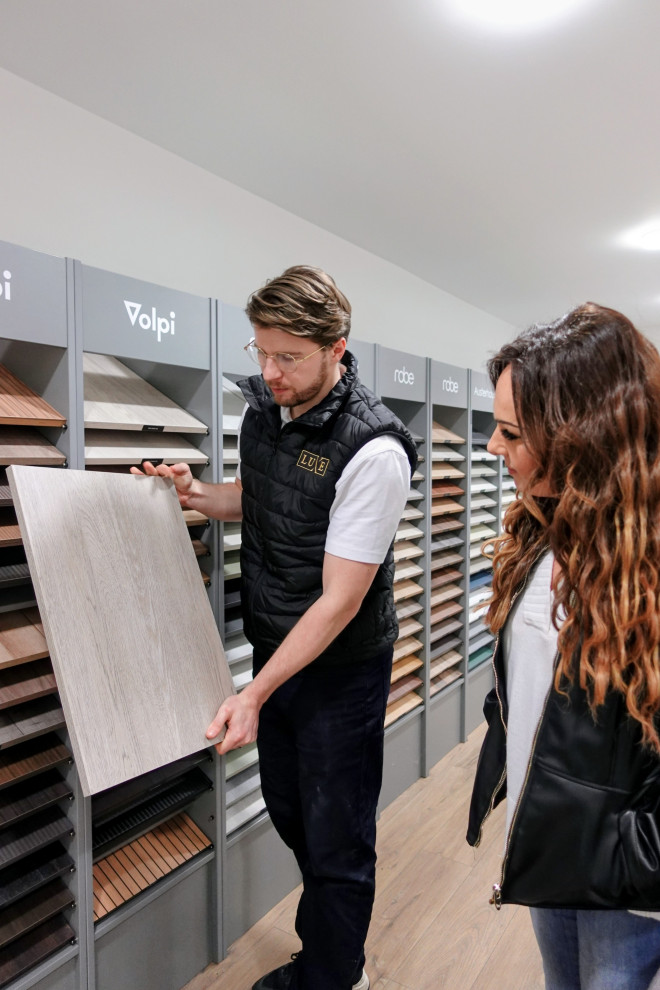
For decades, kitchen showrooms have been seen as an essential part of the buying process. Rows of displays, dramatic lighting and polished finishes all designed to inspire.
So it’s completely reasonable to ask:
Do you actually need a showroom to buy a great kitchen?
The honest answer is no — and in many cases, buying a kitchen without relying on a showroom can lead to a better result.
Why Kitchen Showrooms Exist (and When They Help)
Let’s be fair — showrooms do serve a purpose.
They can be useful if:
- you’re very early in the process and want broad inspiration
- you’ve never renovated a kitchen before
- you want to physically touch materials before thinking about layout
For some people, especially those who prefer browsing before planning, a showroom visit can be helpful.
But that doesn’t mean a showroom is essential — or even the best way to design your kitchen.
The Hidden Limitations of Kitchen Showrooms
This is the part most companies don’t talk about.
Showrooms show their kitchens — not yours
A showroom displays a handful of fixed layouts in artificial lighting. Your home has:
- different dimensions
- different ceiling heights
- different natural light
- different constraints
It’s easy to fall in love with a display that simply won’t work in your space.
Showroom overheads are built into the price
Showrooms are expensive to run — rent, staff, displays, refits.
Those costs don’t disappear; they’re factored into kitchen pricing.
A showroom-less model often allows:
- more budget to go into cabinetry and materials
- less pressure to upsell
- more flexibility in specification
Limited ranges, big decisions
Even large showrooms can only display a small fraction of:
- door styles
- colours
- finishes
- internal options
Most decisions are still made from samples and visuals — even in a showroom.
Artificial lighting can mislead
Showroom lighting is designed to flatter displays.
Real homes have:
- changing daylight
- mixed lighting temperatures
- shadows and reflections
This is why kitchens can look very different once installed, even if you “saw it in the showroom”.
What Actually Matters When Designing a Kitchen
When you strip it back, the most important elements are rarely showroom-dependent.
Layout and flow
A kitchen succeeds or fails on:
- how you move through the space
- how zones work together
- how storage is organised
This can only be properly designed in the context of your home.
Understanding your lifestyle
How you cook, entertain and live matters far more than a display kitchen.
These conversations happen best:
- in your home
- with your existing layout in front of you
- with real constraints considered
Seeing materials in your space
Door samples, worktop samples and finishes viewed:
- in your lighting
- next to your floors and walls
- at different times of day
This is often more informative than seeing them under showroom spotlights.
How a Showroom-Less Design Process Works
A showroom-less approach doesn’t mean less detail — it usually means more.
It typically involves:
- in-home design consultations
- detailed layouts and 3D visuals
- physical samples brought to you
- designs built around real measurements
Instead of designing a kitchen and hoping it fits your home, the design starts with your home.
When a Showroom Might Still Be Right for You
Being honest matters.
A showroom may suit you if:
- you want to browse without committing to a design process
- you prefer seeing full displays before engaging
- you’re comparing multiple brands in one visit
There’s nothing wrong with that — it just isn’t the only way.
So… Is a Showroom Necessary?
No — a great kitchen doesn’t require a showroom.
What it does require is:
- good design
- careful planning
- honest guidance
- decisions made in the context of your home
For many homeowners, designing a kitchen without relying on a showroom leads to:
- better layouts
- fewer compromises
- clearer decisions
- and often, better value
Final Thoughts
Showrooms can inspire — but inspiration alone doesn’t design a kitchen.
A thoughtful, home-focused design process often delivers better results than choosing from fixed displays under artificial lighting.
If you’re considering a kitchen and want a process that’s built around your space, rather than a showroom display, it’s always worth exploring alternatives.
If you’d like to discuss a kitchen design without the pressure of a showroom visit, feel free to get in touch.