What Actually Adds Value to a Kitchen (and What Doesn’t)
What Actually Adds Value to a Kitchen (and What Doesn’t)
When people talk about adding value to a kitchen, it’s often unclear what kind of value they mean.
Some choices add:
- daily usability
- long-term durability
- resale appeal
Others look impressive at first but add very little once the kitchen is lived in — or when the property is eventually sold.
Here’s an honest breakdown of what genuinely adds value in a kitchen, and what often doesn’t.
What Does Add Value to a Kitchen
1. A Well-Designed Layout
More than anything else, value comes from how the kitchen works.
A good layout improves:
- flow through the space
- ease of cooking and cleaning
- access to storage
- connection to dining or living areas
Layout mistakes are expensive to fix later, which is why this is one of the most valuable parts of the design process.
2. Practical, Well-Planned Storage
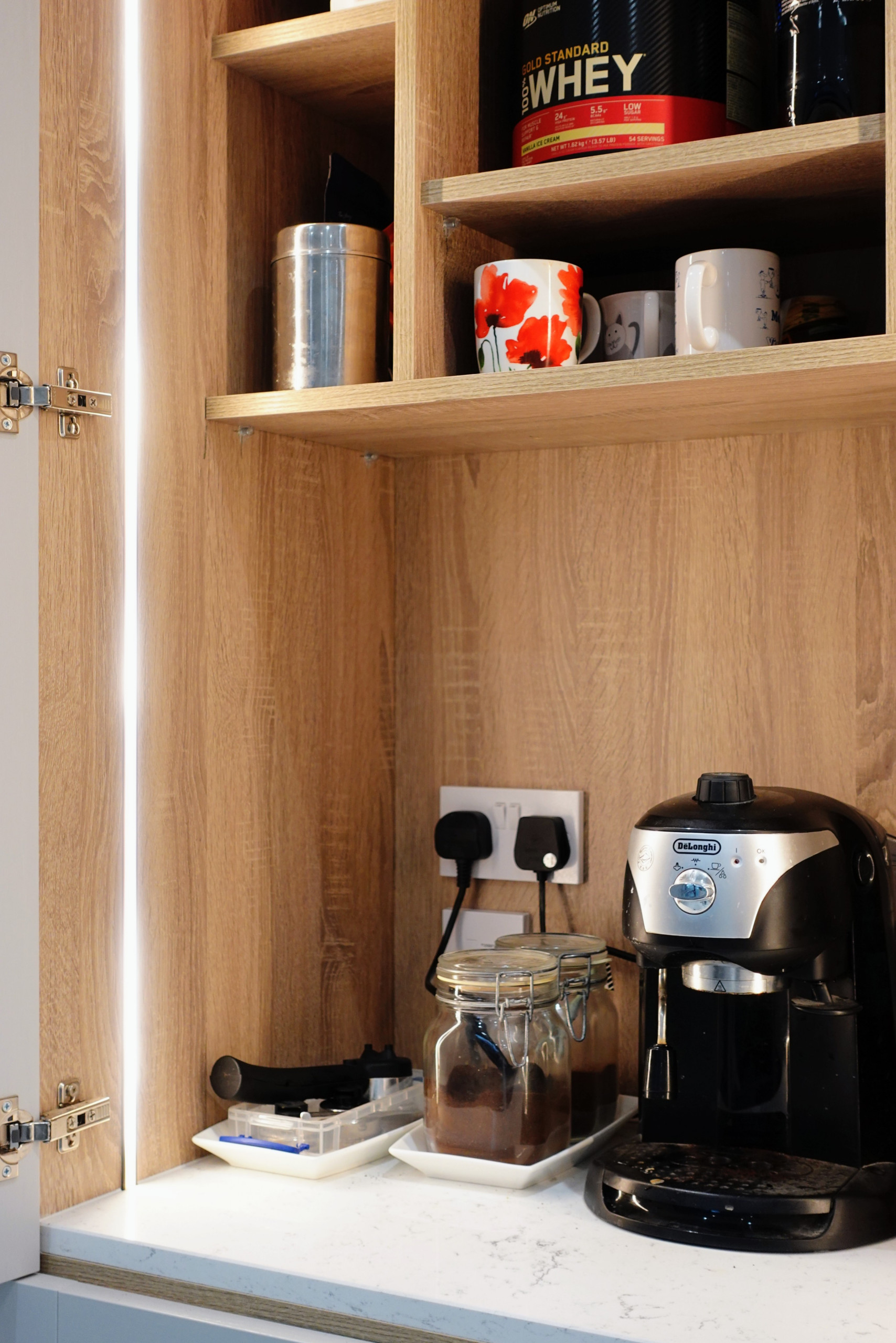
Storage that works properly makes a kitchen feel larger, calmer and easier to use.
This includes:
- drawers instead of deep cupboards
- sensible pantry solutions
- storage sized for real items, not theory
Buyers notice kitchens that feel organised and effortless — even if they can’t immediately explain why.
3. Quality Cabinet Construction
Cabinet quality affects:
- how doors and drawers feel
- how well the kitchen stands up to daily use
- how long it remains aligned and functional
This is the kind of value that isn’t always obvious on day one, but becomes very clear over time.
4. Neutral, Timeless Design Choices
Kitchens that appeal to a wide range of people tend to hold their value better.
Soft neutrals, balanced colour palettes and simple forms:
- age more gracefully
- suit more properties
- are easier to adapt with accessories later
This doesn’t mean bland — it means considered.
5. Good Lighting
Lighting has a bigger impact than most people expect.
Well-planned lighting:
- makes the kitchen more comfortable to use
- improves how finishes and colours appear
- allows the space to adapt from day to evening
It’s a relatively modest investment with a noticeable effect.
What Doesn’t Always Add Value
1. Overly Trend-Led Features
Highly fashionable colours or finishes can date quickly.
While trends can be fun, they don’t always translate into long-term value — especially if they dominate the design rather than complement it.
2. Over-Customisation
Highly specific or unusual features may suit one household perfectly, but not necessarily the next.
Over-customisation can:
- limit future appeal
- make changes harder later
- increase costs without broad benefit
Focused, thoughtful customisation usually works better than designing everything as a one-off.
3. Expensive Appliances You Rarely Use
High-end appliances don’t automatically add value if they don’t match how the kitchen is used.
Buyers and homeowners tend to value:
- reliability
- sensible specification
- good integration
More features don’t always mean more value.
4. Decorative Detail for Its Own Sake
Ornate detailing, heavy trims or complex finishes can increase cost without improving function.
Simple, well-executed kitchens often feel more refined than designs trying to do too much.
Value Is About Balance, Not Spend
The kitchens that perform best over time aren’t necessarily the most expensive — they’re the most thoughtfully designed.
They prioritise:
- how the space works
- how it feels to use
- how it adapts over time
Value comes from decisions that make everyday life easier, not just more impressive.
Final Thoughts
Adding value to a kitchen isn’t about chasing trends or maximising spend.
It’s about making choices that:
- improve usability
- stand the test of time
- appeal to real people living real lives
When those things are in place, both lifestyle value and property value tend to follow naturally.