
What Can Go Wrong During a Kitchen Renovation (And How to Avoid It)
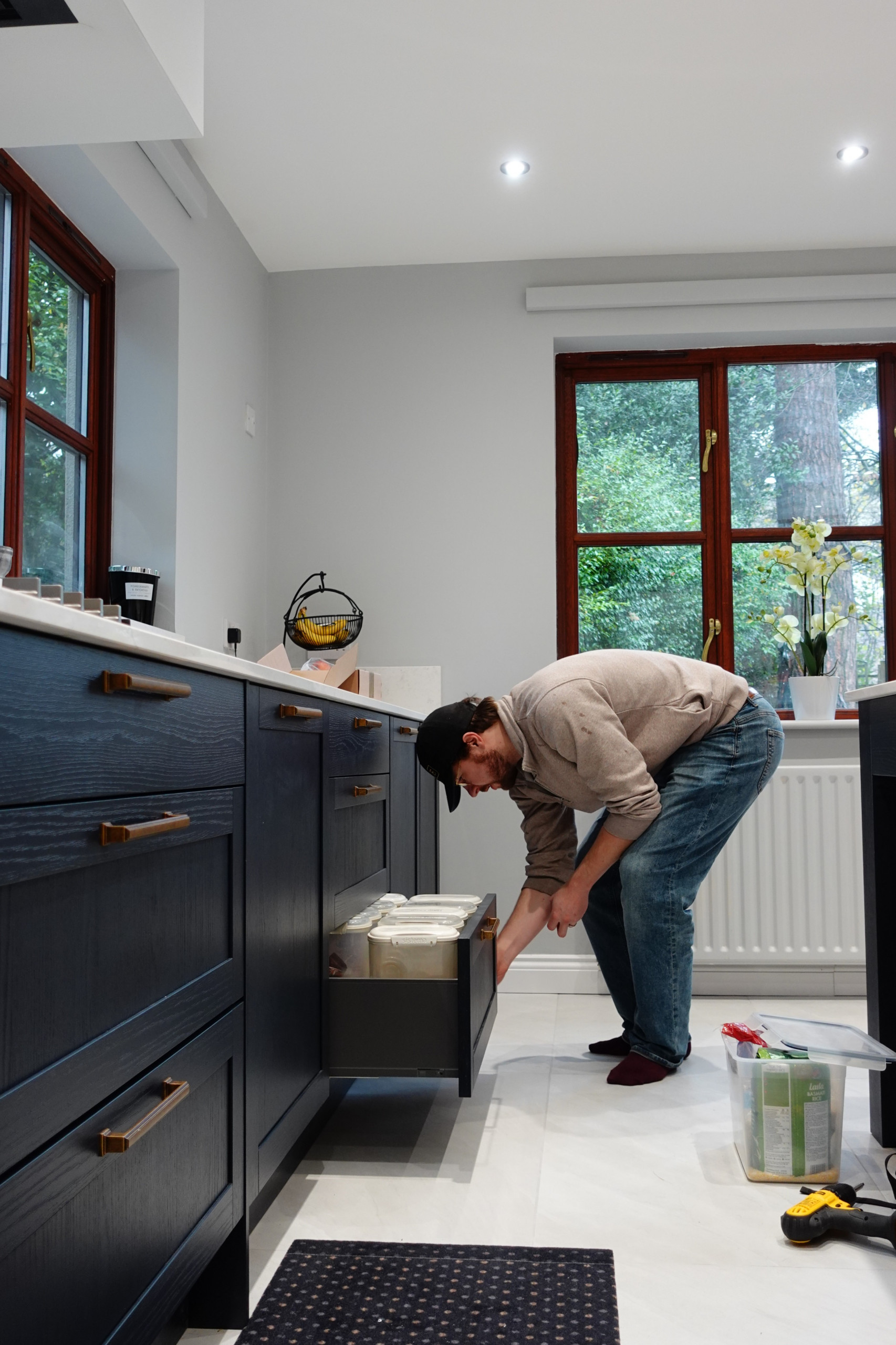
A kitchen renovation is one of the biggest investments most homeowners make — and it’s also one of the most complex.
If you’ve heard horror stories about kitchens overrunning, budgets creeping or projects dragging on, you’re not alone. These things do happen — usually not because anyone is careless, but because kitchens involve a lot of moving parts.
The good news is that most problems are predictable and avoidable when they’re planned for properly.
Here are the most common things that can go wrong during a kitchen renovation — and what actually prevents them.
1. Unexpected Issues Once Work Starts
Even with the best preparation, some things only reveal themselves once the old kitchen is removed.
Common examples include:
- uneven floors or walls
- outdated wiring or plumbing
- hidden pipework
- structural surprises in older properties
These aren’t failures — they’re realities of working in real homes.
How to avoid major disruption:
Good planning includes contingency. A proper design and survey stage reduces surprises, and when something unexpected does come up, decisions can be made calmly rather than reactively.
2. Designs That Look Good on Paper but Don’t Work in Real Life
This happens more often than people realise.
Examples include:
- drawers clashing with doorways
- appliances blocking walkways
- islands that are technically possible but impractical
- beautiful layouts that don’t suit how you actually use the space
A design that looks great in isolation can fall apart once real-life movement is considered.
How to avoid it:
Designing around your actual home, your routines and clearances — not a generic layout — makes a huge difference. This is where experience matters more than inspiration images.
3. Budget Creep
One of the biggest fears homeowners have is a project slowly becoming more expensive than expected.
This usually happens because of:
- decisions being made late
- specifications changing mid-project
- upgrades being added without clarity on cost
- underestimating how many small choices add up
How to avoid it:
Clear specifications early on and honest conversations about priorities. When people understand where money actually goes, decisions become much easier — and budgets more predictable.
4. Delays in the Timeline
Kitchen projects rarely run late for just one reason. It’s often a combination of:
- manufacturing lead times
- appliance availability
- trades needing to coordinate
- changes made after ordering
Even a small delay in one area can affect everything else.
How to avoid it:
Realistic timelines, good communication and locking decisions before manufacturing starts. The earlier things are finalised, the smoother the project tends to run.
5. Colour and Finish Disappointment
This is one people don’t always expect.
Colours and finishes can look different due to:
- lighting changes throughout the day
- how finishes react over larger areas
- the way materials interact with floors and walls
What looked perfect on a screen or in isolation can feel different once installed.
How to avoid it:
Viewing physical samples in your own home, in your lighting, at different times of day. Digital visuals are helpful, but real materials always matter more.
6. Trades Not Lining Up
Kitchens sit at the intersection of:
- cabinetry
- electrics
- plumbing
- flooring
- decorating
If these aren’t coordinated properly, things stall.
How to avoid it:
Clear sequencing and communication. Whether trades are appointed by you or coordinated as part of the project, everyone needs to be working from the same plan and timeline.
7. Decision Fatigue
A kitchen involves more decisions than most people expect:
- internal storage
- finishes
- handles
- appliances
- lighting
- layouts
Making too many decisions under pressure can lead to regret later.
How to avoid it:
Breaking decisions into stages and focusing on what genuinely affects how the kitchen works day to day. Not everything needs to be decided at once.
The Common Thread: Planning Beats Panic
Almost every issue above comes back to one thing: planning before commitment.
The kitchens that run most smoothly aren’t necessarily the most expensive — they’re the ones where:
- layouts are thought through
- decisions are made early
- expectations are realistic
- and communication stays clear
Problems don’t disappear — but they become manageable.
Final Thoughts
Kitchen renovations don’t go wrong because people make bad choices — they go wrong when choices are rushed, unclear or made without the full picture.
Understanding where the risks are allows you to plan around them, rather than react to them later.
A well-designed kitchen isn’t just about how it looks on day one — it’s about how smoothly the journey gets you there.