
What Makes a Kitchen Feel Expensive (Without Overspending)
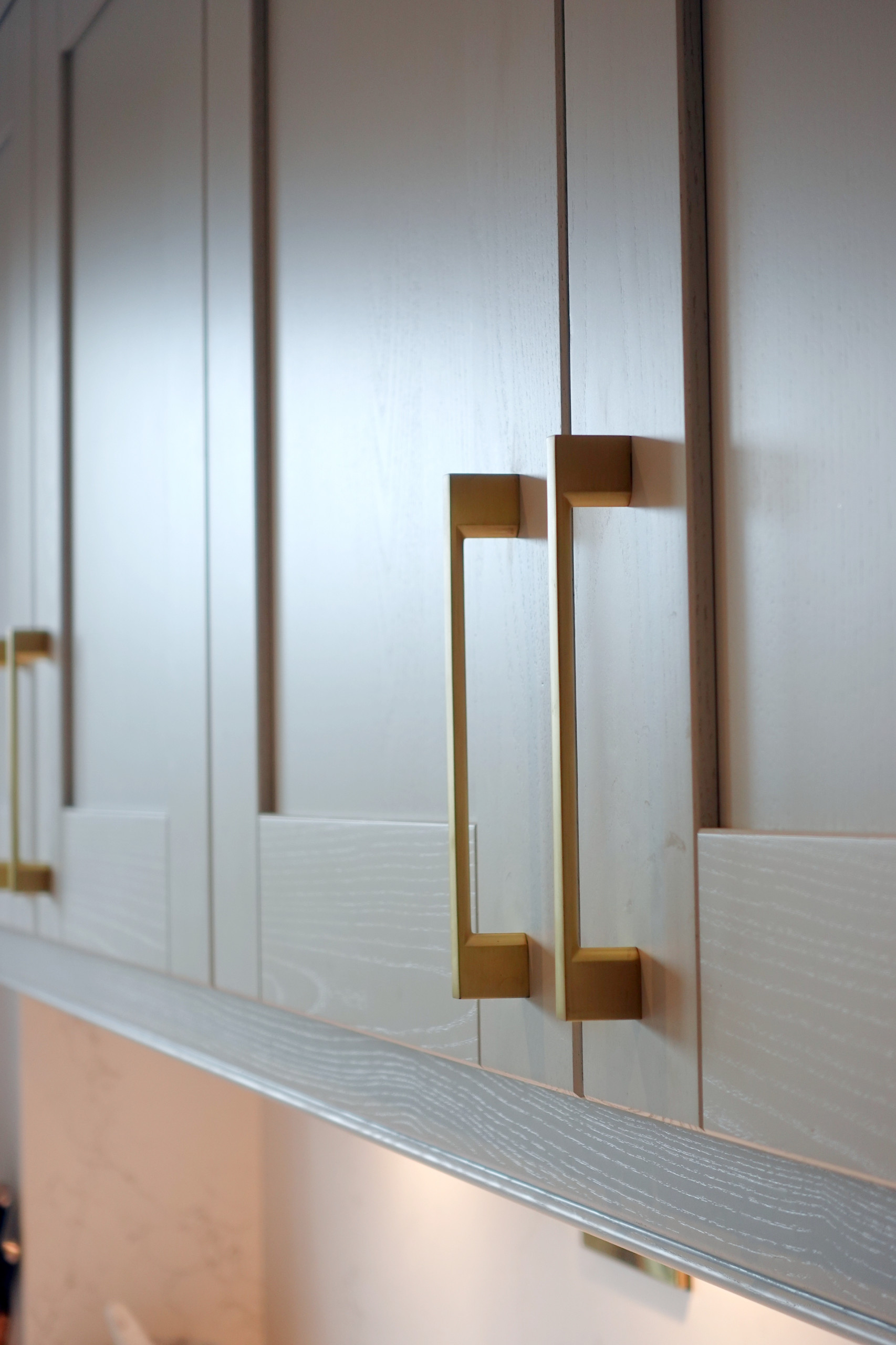
When people say they want a kitchen to “feel expensive”, they rarely mean flashy or over-the-top.
What they usually want is a kitchen that feels:
- calm
- well considered
- high quality
- and cohesive
The good news is that this feeling doesn’t come from spending the most money — it comes from making the right choices.
Here’s what actually makes a kitchen feel expensive, without overspending.
1. A Strong, Well-Proportioned Layout
An expensive-feeling kitchen always starts with good proportions.
This means:
- balanced spacing
- clear walkways
- islands that fit the room (not dominate it)
- tall units used purposefully, not everywhere
A well-laid-out kitchen feels intentional and effortless — even before finishes are considered.
2. Fewer Materials, Used Consistently
Kitchens that feel high-end usually have less going on, not more.
Using:
- one main cabinet finish
- one worktop material
- a restrained colour palette
creates a sense of calm and confidence. Too many finishes, colours or textures can make even an expensive kitchen feel busy.
3. Integrated and Considered Storage
Visible clutter is one of the quickest ways to make a kitchen feel cheaper.
Expensive-feeling kitchens often feature:
- drawers instead of cupboards
- concealed storage where possible
- appliances integrated cleanly
- practical pantry solutions
When everything has a place, the whole space feels more refined.
4. Quality You Can Feel, Not Just See
Some of the biggest contributors to a premium feel are tactile.
This includes:
- smooth-running drawers
- solid door weight
- quiet, soft-close hardware
- precise alignment
These details don’t always stand out visually, but they’re noticed every single day.
5. Thoughtful Lighting
Lighting is one of the most overlooked ways to elevate a kitchen.
Kitchens that feel expensive usually have:
- layered lighting (not one central source)
- good task lighting
- softer ambient light for evenings
Lighting can transform even simple cabinetry and finishes when it’s planned properly.
6. Clean Detailing and Restraint
Expensive kitchens tend to avoid over-decoration.
Instead, they rely on:
- clean lines
- consistent gaps and reveals
- simple handles (or handleless designs)
- minimal visual clutter
Restraint often reads as confidence — and confidence reads as quality.
7. Finishes That Suit the Home
A kitchen that feels expensive always looks like it belongs.
That means:
- finishes that work with the architecture
- colours that suit the light
- design choices that reflect the property, not just trends
When a kitchen feels “right” for the home, it naturally feels higher quality.
What Doesn’t Automatically Make a Kitchen Feel Expensive
It’s worth clearing up a few misconceptions.
A kitchen doesn’t feel premium just because it has:
- the most expensive appliances
- complex door profiles
- lots of features
- trend-heavy finishes
Without good design and balance, these can actually have the opposite effect.
Final Thoughts
A kitchen feels expensive when it’s thoughtful, not when it’s over-specified.
Focusing on layout, proportion, storage, lighting and restraint usually delivers a far more refined result than simply upgrading everything.
The most impressive kitchens are rarely the ones that shout — they’re the ones that quietly work beautifully.