
What Parts of a Kitchen Are Worth Spending More On?
What Parts of a Kitchen Are Worth Spending More On?
When planning a new kitchen, one of the hardest things to work out isn’t how much to spend — it’s where that money actually makes a difference.
Not every upgrade is worth it, and spending more doesn’t always mean getting a better result. Some choices genuinely improve how a kitchen works and lasts, while others are mostly aesthetic.
Here’s a clear, honest breakdown of where spending more is usually worthwhile — and why.
1. The Layout (Always Worth It)
If there’s one area that pays back every single day, it’s the layout.
A well-thought-out layout improves:
- how you move around the space
- how efficiently you cook
- how usable storage is
- how the kitchen connects to the rest of the home
A poor layout can’t be fixed later without major work, whereas finishes and accessories can always be changed.
Good layout is an investment in daily usability — not just appearance.
2. Cabinet Construction and Internals
Cabinets may look similar from the outside, but what’s underneath matters far more over time.
Spending more here often means:
- stronger carcasses
- better drawer systems
- more adjustability
- smoother operation
- longer lifespan
These are the parts you use every day — and they’re difficult (and expensive) to upgrade once installed.
3. Drawers and Storage Solutions
Storage is where kitchens either feel effortless or frustrating.
Worthwhile upgrades include:
- deep drawers instead of cupboards
- internal drawer systems
- well-planned corner solutions
- practical pantry storage
Good storage makes a kitchen easier to live with and reduces clutter, often making the space feel larger than it actually is.
4. Worktops (Within Reason)
Worktops cover a large surface area, so quality matters — but there’s a balance.
Spending more can be worthwhile if it gives you:
- better durability
- easier maintenance
- improved resistance to staining or heat
That said, the most expensive option isn’t always the best choice for how you use your kitchen. Matching the material to your lifestyle matters more than price alone.
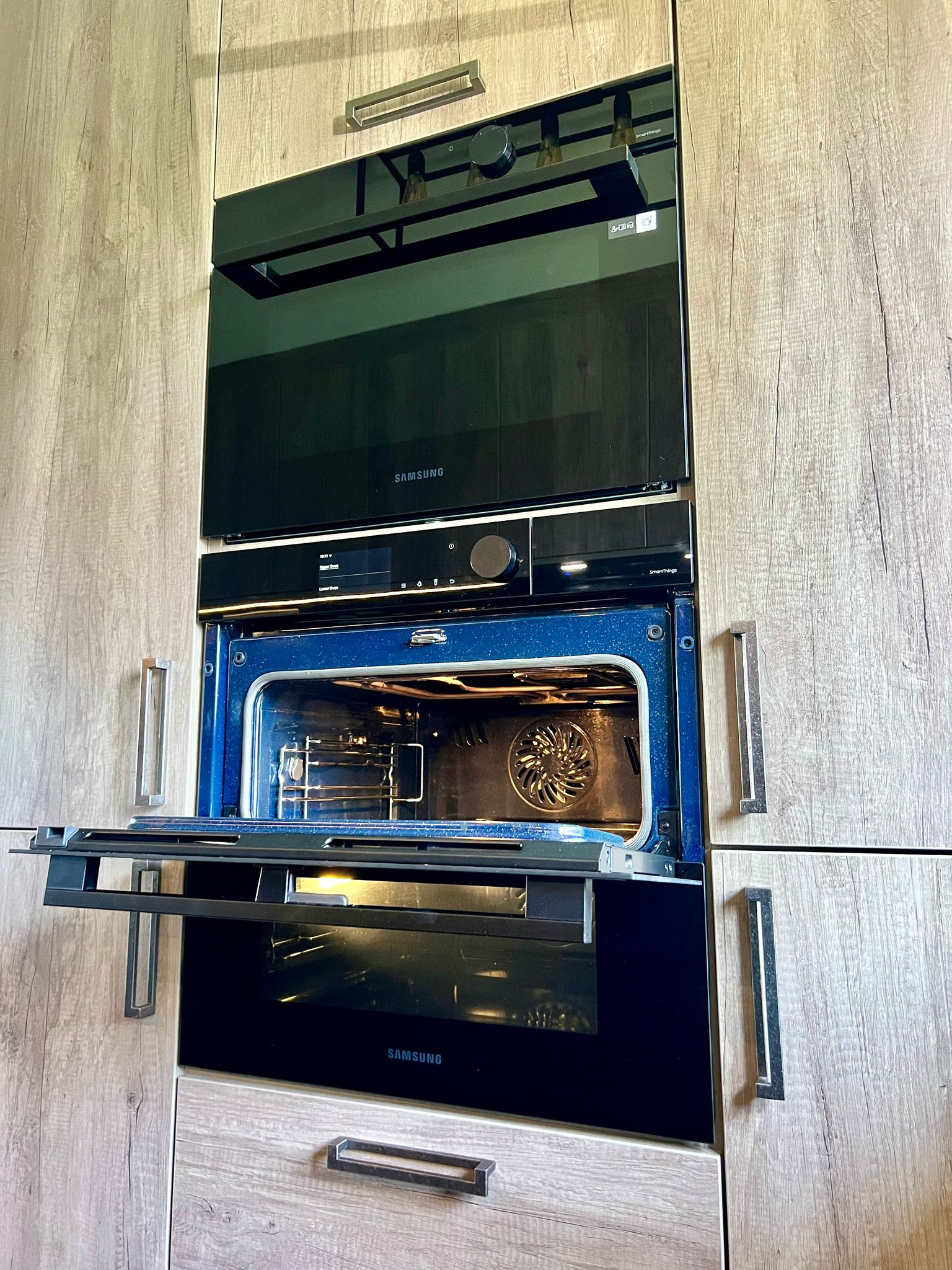
5. Appliances You Use Every Day
Not all appliances need to be top of the range — but the ones you rely on most often are usually worth prioritising.
This often includes:
- ovens
- hobs
- extractors
Upgrading appliances that are central to how you cook will usually deliver more value than spending heavily on secondary features you rarely use.
6. Lighting Design
Lighting is often overlooked, but it has a huge impact on how a kitchen feels.
Investing in good lighting design can:
- improve task visibility
- enhance finishes and colours
- make the space more comfortable day and night
Layered lighting — rather than a single central source — tends to make the biggest difference.
Where You Can Often Spend Less
Just as important as knowing where to invest is knowing where you don’t need to overspend.
In many kitchens, you can safely save on:
- trend-led finishes
- overly complex decorative details
- features chosen purely for appearance
A simpler, well-designed kitchen usually ages better than one driven by short-term trends.
Final Thoughts
The best kitchens aren’t defined by how much is spent — but where it’s spent.
Focusing your budget on layout, construction and usability almost always delivers a better long-term result than spreading it thinly across cosmetic upgrades.
Making informed choices early leads to kitchens that not only look good on day one, but continue to work well for years to come.