
Why Are Kitchens So Expensive?
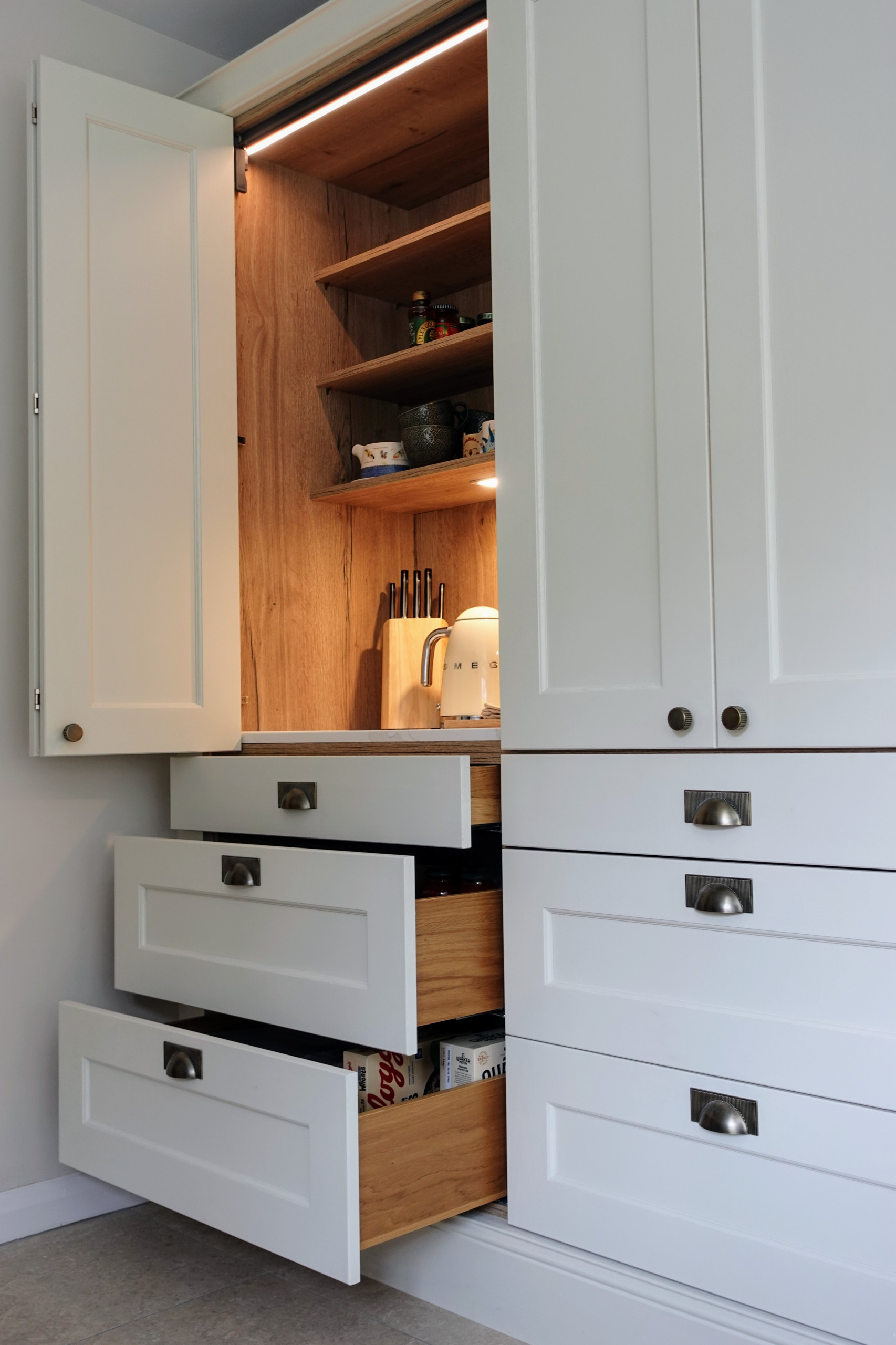
It’s one of the most common questions homeowners ask — often quietly, sometimes bluntly:
“Why are kitchens so expensive?”
And it’s a fair question. On the surface, a kitchen looks like cabinets, worktops and appliances. But once you look behind the scenes, it becomes clear why costs add up — and why prices vary so widely.
This article breaks it down honestly, without sales talk.
1. Kitchens Are Custom Projects, Not Products
Unlike buying a sofa or a table, a kitchen isn’t an off-the-shelf item.
Every kitchen involves:
- a unique room
- specific measurements
- services in fixed positions
- structural constraints
- personal preferences
That makes a kitchen a custom project, not a single product — and custom work always costs more than mass-produced items.
2. Design Time Is a Bigger Part Than People Realise
A well-designed kitchen doesn’t happen in five minutes.
Behind most kitchens is time spent on:
- layouts and clearances
- storage planning
- appliance integration
- problem-solving awkward spaces
- revisions and refinements
Even when design isn’t charged separately, that time still exists — and it has value.
Good design prevents expensive mistakes later.
3. Cabinet Construction Varies Hugely
Two kitchens can look similar but be built very differently.
Cost differences often come from:
- cabinet carcass thickness
- material quality
- drawer systems and hinges
- adjustability and longevity
- manufacturing tolerances
These things aren’t always visible on day one, but they affect how a kitchen feels — and how long it lasts.
4. Materials Add Up Quickly
Kitchen materials are used across large areas, so small upgrades can have a big impact on cost.
Examples include:
- painted vs laminated doors
- natural stone vs engineered worktops
- solid internals vs basic fittings
Because kitchens involve so much surface area, material choices matter more here than in most other rooms.
5. Appliances Are a Major Cost Driver
Appliances often make up a significant portion of a kitchen budget.
Prices vary based on:
- brand
- features
- size
- integration requirements
Two kitchens with identical cabinetry can differ dramatically in price once appliances are factored in.
6. Installation Is Skilled, Time-Consuming Work
A kitchen isn’t just delivered — it’s built into your home.
Installation involves:
- precision fitting
- adjustments to real-world walls and floors
- coordination with electrics and plumbing
- attention to detail
Good installation takes time and skill, and cutting corners here is where many problems begin.
7. Showrooms, Overheads and Business Costs
How a kitchen company operates affects pricing.
Costs may include:
- showroom rent and upkeep
- staffing
- marketing
- administration
- warranties and aftercare
These overheads are always paid for somewhere — usually within the kitchen price itself.
8. Why Kitchen Prices Vary So Much
This is why you’ll see kitchens priced anywhere from modest to very high.
Price is influenced by:
- how bespoke the design is
- the quality of construction
- material choices
- appliance specification
- installation scope
- business model
There’s no single “correct” price — only what’s appropriate for your needs, home and expectations.
Are Kitchens Overpriced?
Sometimes — but more often, they’re misunderstood.
A kitchen isn’t just about how it looks on day one. It’s about:
- how it functions every day
- how long it lasts
- how smoothly the project runs
Understanding where the money goes makes it much easier to decide what’s worth investing in — and what isn’t.
Final Thoughts
Kitchens feel expensive because they combine:
- custom design
- manufacturing
- materials
- skilled installation
- and long-term use
When done properly, a kitchen isn’t just a purchase — it’s an investment in how you live in your home every day.