
Why Cheap Kitchens Often End Up Costing More
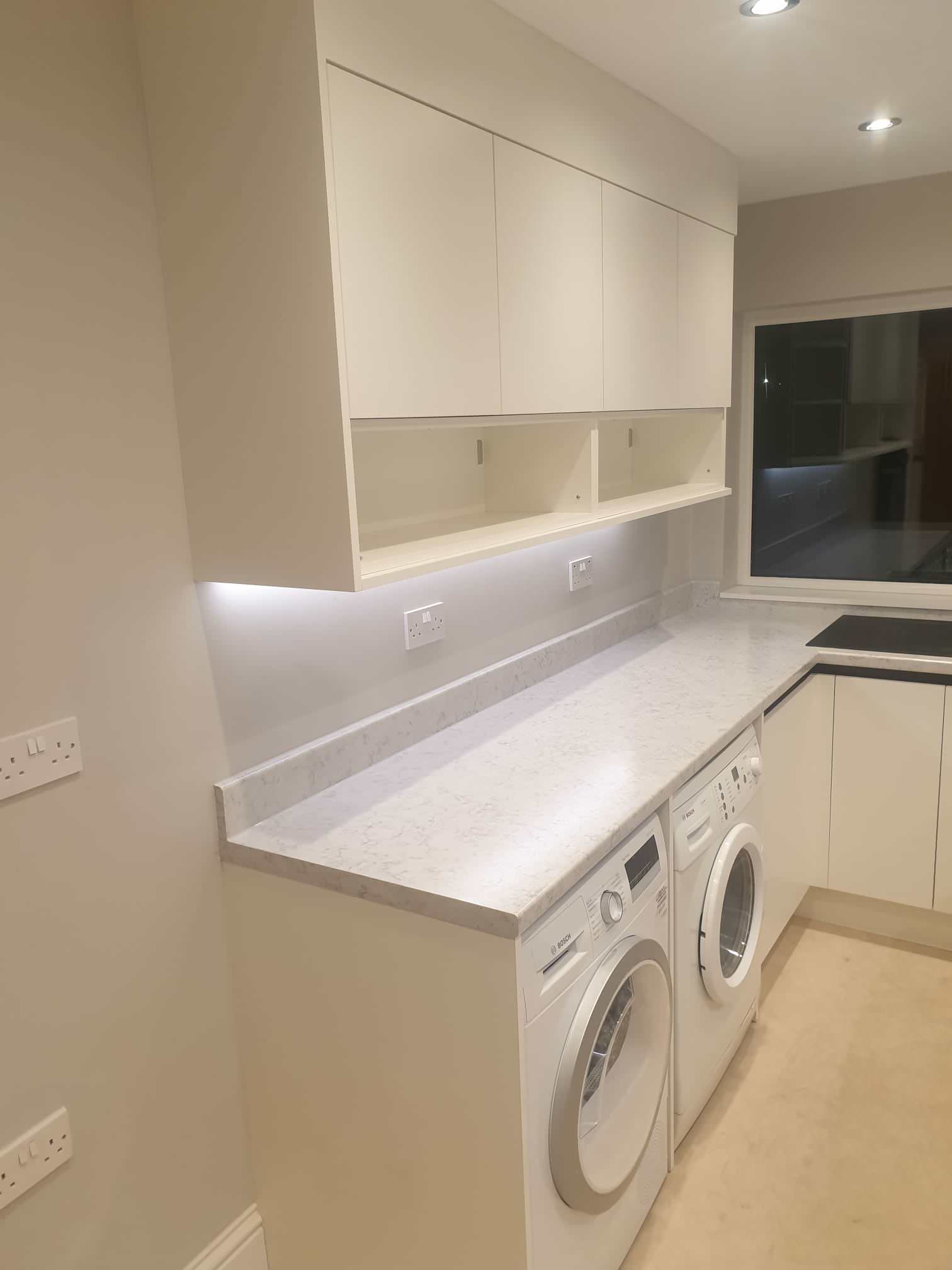
When planning a new kitchen, it’s completely natural to look for ways to keep costs down. For many homeowners, a lower upfront price feels like the sensible option.
But in reality, cheap kitchens often end up costing more over time — financially, emotionally, or both.
Here’s why.
1. Lower Upfront Cost Often Means More Compromises
Cheap kitchens usually save money by cutting costs somewhere — even if it’s not immediately obvious.
This can include:
- thinner cabinet materials
- basic drawer systems
- limited adjustability
- reduced manufacturing tolerances
At first glance everything may look fine, but these compromises tend to show once the kitchen is in daily use.
2. Problems Appear After Installation
Many issues with lower-cost kitchens don’t show up straight away.
Over time, homeowners often notice:
- doors going out of alignment
- drawers not running smoothly
- panels shifting or loosening
- finishes wearing unevenly
Fixing these issues later can be difficult or impossible without replacing parts — or the kitchen itself.
3. Poor Layout Is Expensive to Live With
One of the most common problems with budget kitchens isn’t materials — it’s layout.
Cheap solutions often rely on:
- standardised designs
- limited flexibility
- minimal planning time
A layout that doesn’t suit how you use the space can lead to daily frustration — and reworking a kitchen layout later is far more expensive than designing it properly from the start.
4. Hidden Costs Add Up
Lower initial prices sometimes exclude things that are later treated as “extras”.
This can include:
- installation elements
- delivery
- modifications to make things fit
- changes once issues arise on site
By the time everything is accounted for, the final cost can be much closer to — or even higher than — a more considered option.
5. Shorter Lifespan Means Paying Twice
A kitchen is one of the hardest-working rooms in a home.
If a kitchen only lasts:
- 5–10 years before problems become noticeable
- or needs partial replacement sooner than expected
then the cost is effectively spread over a much shorter lifespan.
A kitchen that lasts well and works properly for 15–20 years often represents far better value, even if the upfront cost is higher.
6. Stress Has a Cost Too
This is easy to overlook.
Dealing with:
- constant snagging
- chasing fixes
- living with compromises
- or planning a second replacement sooner than expected
adds stress that many homeowners didn’t factor into the decision.
A kitchen should make life easier — not more complicated.
So What’s the Alternative?
This doesn’t mean the most expensive kitchen is always the best choice.
It means:
- spending where it matters
- avoiding false economies
- prioritising layout, construction and usability
A well-designed, well-built kitchen usually costs less over its lifetime than a cheaper one that needs fixing, adapting or replacing sooner.
Final Thoughts
Cheap kitchens aren’t always bad — but they often become expensive in ways that aren’t obvious at the start.
Understanding where costs are saved, and what that means long-term, makes it much easier to choose a kitchen that offers real value rather than short-term savings.
The most cost-effective kitchens are rarely the cheapest — they’re the ones that are designed properly and built to last.