Why Some Kitchens Feel Calm — and Others Feel Busy
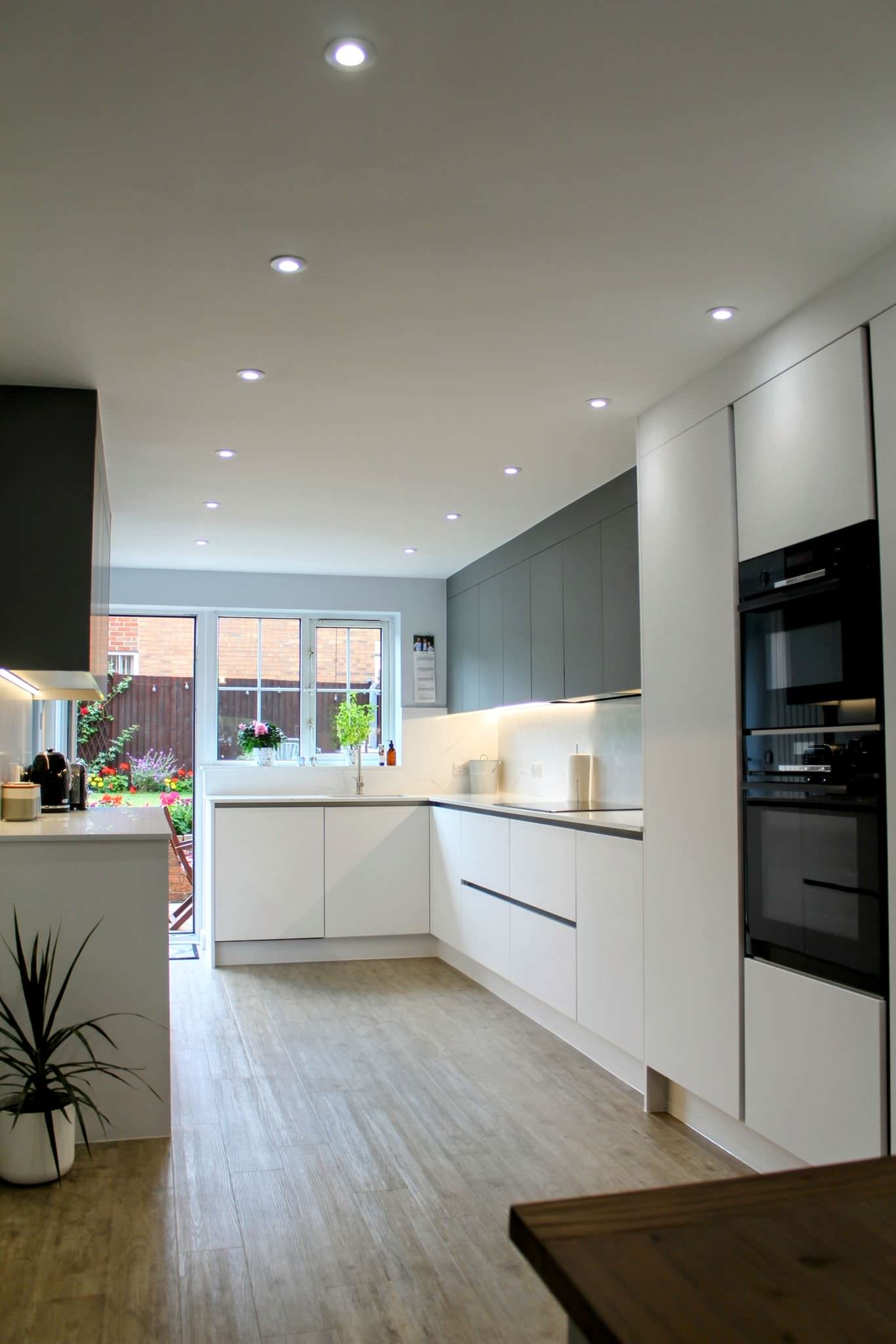
Two kitchens can have similar layouts, similar storage and similar lighting — yet feel completely different to be in.
One feels calm and balanced.
The other feels visually noisy and slightly uncomfortable, even if you can’t immediately explain why.
That difference usually comes down to design restraint, not specification.
Here’s what actually influences whether a kitchen feels calm or busy.
Visual Load Matters More Than Features
A kitchen becomes visually busy when too many elements compete for attention.
This often comes from:
- too many materials in one space
- multiple finishes used without hierarchy
- strong contrasts applied everywhere instead of selectively
Calm kitchens usually limit the number of “voices” in the room. Busy kitchens let everything speak at once.
Proportion Creates Comfort
Calm kitchens tend to feel right because proportions are resolved properly.
Examples include:
- tall units that don’t overwhelm the room
- islands that feel generous without dominating
- wall units that align cleanly rather than stepping awkwardly
When proportions are off, the space can feel restless — even if the components themselves are high quality.
Consistency Builds Confidence
Design confidence shows through consistency.
Kitchens that feel calm often:
- repeat the same finish across large areas
- use one dominant material rather than several
- keep detailing consistent throughout
This doesn’t mean plain — it means intentional.
Negative Space Is a Design Tool
What isn’t filled matters just as much as what is.
Calm kitchens allow:
- areas of visual rest
- uninterrupted surfaces
- moments where nothing is trying to impress
Busy kitchens often try to justify every centimetre with detail.
Material Choice Affects Mood
Materials don’t just look different — they feel different.
Calm kitchens often lean towards:
- softer textures
- lower reflectivity
- finishes that absorb light rather than bounce it aggressively
High-gloss, heavy contrast and sharp transitions can energise a space — but too much can tip into visual noise.
Calm Kitchens Age Better
One of the most overlooked benefits of a calm kitchen is how it ages.
Designs that aren’t shouting for attention:
- feel relevant for longer
- adapt more easily as tastes change
- remain comfortable even as the home evolves
This is why calm kitchens often feel “expensive” years later — not because of what they cost, but because of what they didn’t try to do.
Final Thoughts
A calm kitchen isn’t created by adding more features — it’s created by knowing when to stop.
Restraint, proportion and consistency are what separate kitchens that feel settled from those that feel busy.
When a kitchen feels calm, it doesn’t demand attention — it quietly earns it.